
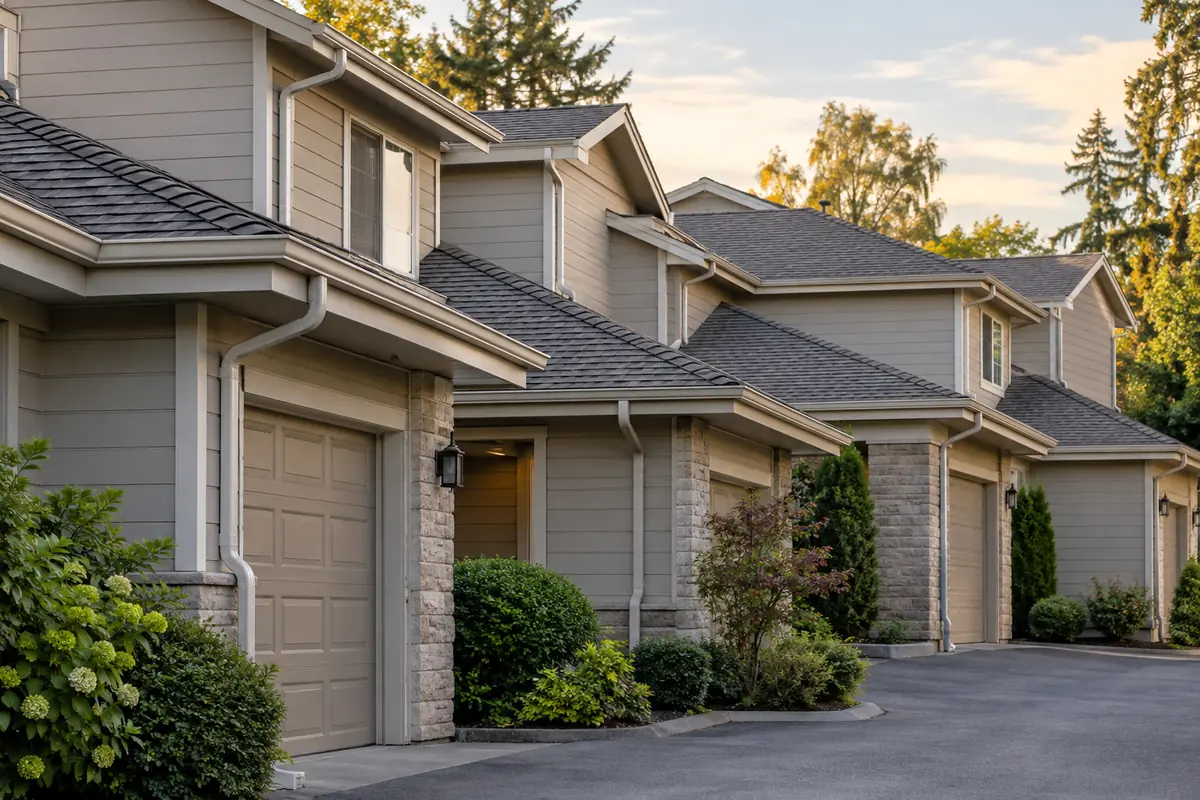
Convert reports into location-based work items
- Property, building and unit-block identifier
- North, south, front, rear or other consistent elevation name
- Nearest entrance, loading bay or landmark
- Observed leak, overflow, loose component or damage
- Date, weather condition and repeat history
- Safe wide and close photographs labelled to match the list
Prioritize consequence and condition separately
A loose component above a walkway may rank ahead of a chronic leak in a controlled service area, even if the permanent repair is similar. A clear log distinguishes safety control, resident impact, active damage, preventive work and aesthetic concerns.
Choose the appropriate work stream
| Request type | Typical trigger | Useful approval record |
|---|---|---|
| Reactive repair | Defined leak, damage or loose component | Location, scope and completion note |
| Preventive maintenance | Debris history or seasonal restriction | Asset list, service date and exceptions |
| Capital replacement | Broad age, layout or condition issue | Phases, specification and budget scope |
| Resident or tenant report | Local symptom requiring verification | Reporter, access and observed condition |
Coordinate occupied-property access
Notice periods, pets, locked yards, patios, parked vehicles, retail hours and tenant contacts can affect access. The property team should identify who controls each area and how changes are communicated before the crew arrives.
Request documentation that serves a purpose
More photos are not automatically better; consistent location records are.
Agree whether the closeout needs a short completion list, labelled photographs, exceptions, future recommendations or invoice references. The format should support approvals and future maintenance without turning a small repair into unnecessary administration.
Keep approvals and scope changes visible
Hidden deterioration, inaccessible sections or conditions that differ from the request should follow the property’s approval process. The original scope, approved changes and deferred items should remain distinguishable.
Make procurement comparable across vendors and years
Use stable location names, component descriptions and closeout requirements so a later quotation can be compared with earlier work. A building list and photo convention are more durable than email threads that describe “the rear gutter” without a property reference.
For recurring programs, keep approved profiles, colours and reporting expectations with the property record while still allowing condition-specific recommendations.
Separate operating expense from capital planning
Cleaning and small localized repairs may belong to routine operations, while systematic replacement across blocks is a capital decision. A condition map can show how recurring calls support a future project without prematurely replacing serviceable elevations.
Standardize urgent intake without promising an unseen response
An urgent report should identify loose material, water entering an occupied area, blocked access or another immediate consequence, plus the on-site control already taken. The request can then be triaged from real information. Response timing, equipment and permanent scope still depend on availability and site review; an online form alone is not an emergency guarantee.
A defined process from observation to closeout
Receive and normalize reports
Translate calls or emails into consistent location and symptom records.
Verify and prioritize
Separate access or safety controls from permanent repair decisions.
Build the scope
Group items by trade, building, access and approval path.
Coordinate occupants
Confirm notice, keys, gates, parking and on-site contact.
Close and retain records
Match completion notes and exceptions to the original location list.
Useful details for an estimate
Ground-level information helps identify the right property, location, access plan and likely scope before the next conversation.
- Property and management-company contact
- Site plan, building list or location convention
- Priority and operational impact
- Resident or tenant access requirements
- Purchase-order, insurance or closeout requirements
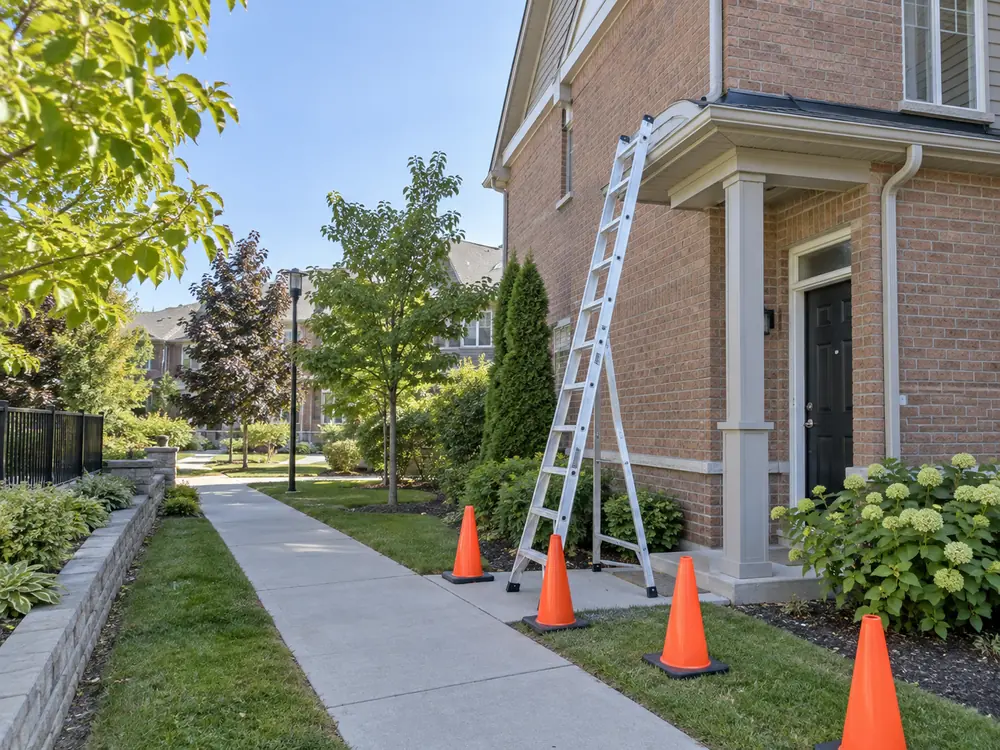
Safety: Do not climb a ladder to collect photos or measurements.
Questions about this service
Can several reported issues be combined in one scope?
Yes. Each issue should keep its own location and condition while shared access or work types are grouped efficiently.
Can urgent items be separated from planned work?
Yes. Immediate area control, temporary measures, permanent repair and future capital work should be identified as different decisions.
Can you work from a site plan or building list?
Yes. Stable property references make estimates, photos, approvals and closeout much easier to reconcile.
Can recurring maintenance be documented?
Yes, when the included elevations, service tasks, exception notes and desired photo format are agreed in advance.
What if hidden damage is found?
The condition should be documented and handled through the agreed approval or change process rather than silently added to the scope.